
《牛津英语词典》(The Oxford English Dictionary)依历史原则编纂,是英语世界最大、最权威的英语词典。自2010年底整合资源,更新条目、定义与书证后,以在线版的形态重新问世。在线版的《牛津英语词典》收录了300个左右源自中文的词汇,或音译(loanword)或借译(loan translation)。
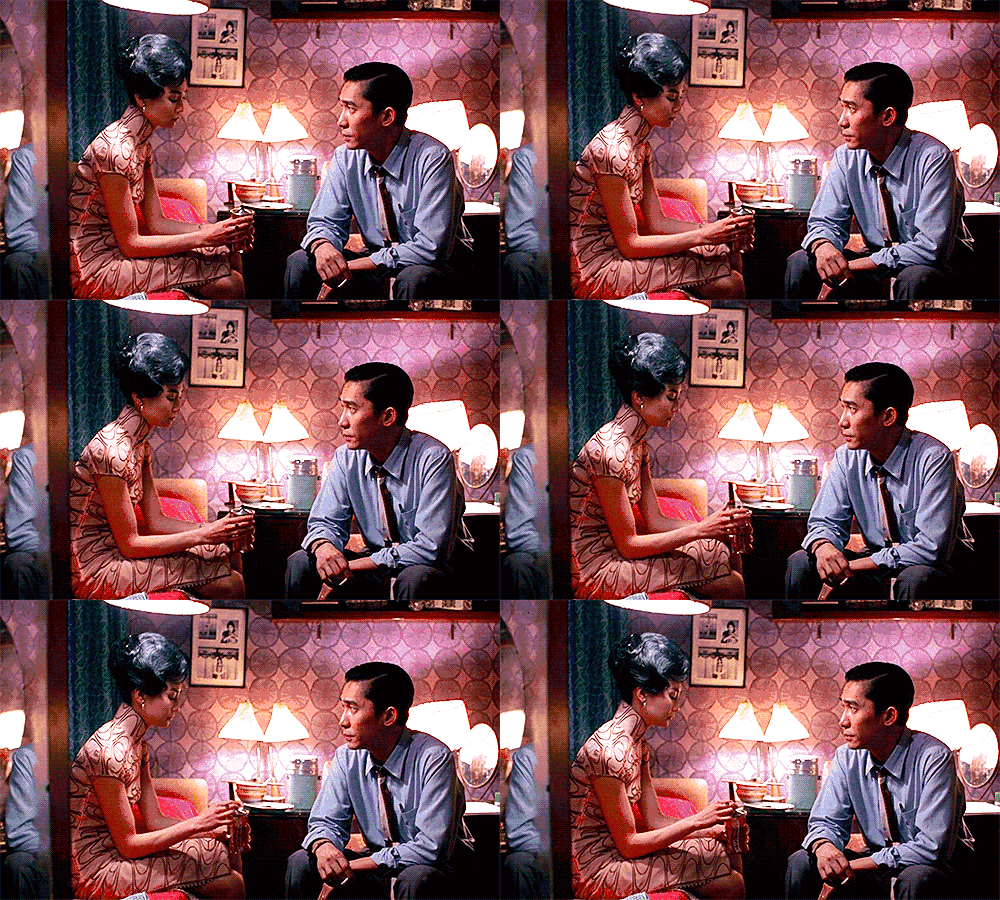
1、qipao 旗袍
【词源】
[< Chinese qípáo (Wade-Giles tranion ch’ip’ao), lit. ‘banner dress’ <qí banner + páo gown. ]
源自中文,本义为 “旗人的袍子”
The dress was so called with reference to the Manchu people who ruled China during the Qing dynasty: they were organized into groups designated by different coloured banners, and consequently the term qírén ‘bannermen’ became a way to refer to Manchus. The one-piece garment was characteristic of Manchu dress, as distinct from the two-piece styles used by Han Chinese women.
这种妇女服饰得名自清朝统治中国的满族。满族人民依不同颜色的旗帜而分类编制,因此“旗人”这个说法便用来指称满族。这种连身的衣服是满族妇女的特色服饰,有别于汉族妇女所穿的两截式风格。
【定义】
n. A type of dress traditionally worn by Chinese women, typically having a high mandarin collar, a split skirt, and a fitted bodice with an asymmetrical closure extending from the neck to the right underarm; = cheongsam.
一种中国妇女所穿的传统连衣裙,一般为直领,裙摆开衩,腰部以上合身,开襟不对称,由领口开到右侧腋下。亦作cheongsam。
【书证】
When she struts about the stage..., her tight-fitting Chinese ‘qipao’, slit to the hip, flares open to reveal slender legs.
她在台上昂首阔步,身上穿着开衩至臀部的紧身旗袍,展露出修长的双腿。——《纽约时报》(The New York Times),1984/1/30
During a break, Madam Fu changes quickly into a navy blue qipao tastefully complemented with a peach apron.
休息时,傅夫人立即换上一件深蓝色的旗袍,搭配一条桃色的围裙,雅致而有品位。——新加坡《海峡时报》(The Strait Times),1992/10/20
2、tuina 推拿
【词源】
[< Chinese tuīná (early 17th cent.) < tuī pull + ná grasp. ]
源自中文“推拿”(最初于17世纪早期见诸文献)
【定义】
n. In traditional Chinese medicine: a type of therapeutic massage, incorporating the principles of acupressure and qigong, used to treat muscle or joint pain and other ailments.
在中医里,指的是一种结合指压与气功原理的治疗式按摩,用来治疗肌肉关节疼痛和其他疾病。
【书证】
Tui-Na is very hard to learn and very hard to teach.
推拿极难学也极难教。——美国《芝加哥论坛报》(Chicago Tribune),1979/3/7
Tuina works on muscle and bone problems... as well as internal ailments.
推拿能治疗肌肉和骨头的毛病,对体内的病痛也能见效。——美国《俄勒冈人报》(The Oregonian),1988/10/13
3、wuxia 武侠
【词源】
[< Chinese wǔxiá (Wade-Giles tranion wu-hsia) genre of Chinese historical fiction < wǔ military, martial + xiá skilled and chivalrous wandering martial artist.]
源自中文“武侠”,中国历史小说的一种(威妥玛拼音作wu-hsia)
【定义】
n. An itinerant swordsman or warrior of ancient China. Freq. attrib., esp. designating a genre of Chinese historical fiction or martial arts films featuring such warriors, who are often depicted as capable of superhuman feats. Hence also simply: this genre of fiction or film.
中国古代四处游历的剑客或武士。常用做定语,特指一种中国的历史小说或武术电影,主角常被描绘为身怀绝技的武士。因此也仅指这类小说或电影。
【书证】
The world of the Wuxia—warriors of the Confucian era—is a world apart from society.
武侠的世界,亦即孔子时代武士的世界,与社会有天壤之别。——法国《国际先驱论坛报》(International Herald Tribune),2000/10/26
Based on the mythical exploits of early swordsmen, wuxia has been a part of Asian cinema since the silent era, but most Westerners got their first taste from Ang Lee’s Crouching Tiger, Hidden Dragon.
武侠片根植于对古代剑客事迹的想象,从默片时代起就是亚洲电影的一环。然而一直要等到李安拍出了《卧虎藏龙》,多数的西方人才得以初尝武侠的滋味。 ──美国《联机》(Wired)杂志,2004/8
4、woo 麻将中的“和”
【词源】
[Origin unknown.]
来源不明(按:笔者猜测,可能源自吴语)
【定义】
v.= mah-jong v. To complete one’s hand at the game of mah-jong; to win a game of mah-jong.
亦作mah-jong(动词):打麻将时手中的牌完成了组合;打麻将获得胜利。
【书证】
A player whose hand contains a false set has a ‘foul hand’, and cannot woo.
玩家手中的牌若一组有误即属犯规,不能和。——《中国式麻将》(Mah Jong Chinese Way),1943
When he completes his hand, four sets and a pair, a player may woo or mah-jong by showing his whole hand. He wins the deal, ending play.
玩家手中的牌合成了四组加一对,翻开所有的牌就可以和了。一人和牌游戏就结束。——《斯卡尼游戏百科全书》(Scarne’s Encyclopedia of Games),1973
5 red-cooking 红烧
【词源】
[after Chinese hóngshāo to braise in soy sauce, lit. ‘to cook red’ (< hóng red + shāo to burn, heat, cook)]
借译自中文“红烧”(红red + 烧to cook),以酱油焖煮
【定义】
n. a form of Chinese cookery in which meat or fish is fried quickly and then stewed in soya sauce.
一种中餐烹调法,先将肉和鱼快炒,再放到酱油里炖煮。
【书证】
Red-cooking is stewing with soy sauce, some materials needing pre-frying, some not. It is so-called because the soysauce juice gives a reddish colour.
红烧是用酱油炖煮,有些材料要先炒过,有些不用。之所以称做红烧,是因为酱油让它带点红色。——《做、吃中餐》(How to Cook and Eat in Chinese),1956
Chinese ‘red cooking’ is a term generally applied to cooking with dark soy sauce.
中国的“红烧”一般指的是以深色酱油烹调。——《原色》(Primary Colors),1994
6 ganbei 干杯
【词源】
[<Chinese gānbēi < gān empty, dry + bēi cup]
源自中文“干杯”
【定义】
n. A Chinese drinking-toast, a call to drain one’s glass. Also as v. intr. and trans., to drink (as) a toast.
中国式的祝酒,要人喝干杯中酒所说的话。亦作不及物动词和及物动词。
【书证】
One of the cordial customs in China is to ganbei a Maotai—to down in one dash a glass of the country’s famous colourless wheat-based liquor.
在中国,一个表示友好的习俗是把茅台给干了——也就是一口气喝下一杯中国知名的、以小麦为原料的白酒。——澳大利亚《信使报》(Courier-Mail),1976/7/7
Many ganbei, or toasts, drunk with mao-tai whisky, cloyingly sweet orange soda or cool, refreshing Chinese beer were raised.
很多人举杯喊“干了”(即祝酒),喝的是类似威士忌的茅台、甜的发腻的橙子汽水、还有清凉爽口的中国啤酒。——《时代杂志》(Time),1987/4/13
来源:外研社K12

国际在线教育频道
地址:北京市石景山区石景山路乙18号院万达广场A座15层 邮政编码:100040
 中国互联网举报中心 违法和不良信息举报电话:010-67401009 举报邮箱:jubao@cri.cn 新闻从业人员职业道德监督电话:010-67401111 监督邮箱:jiancha@cri.cn
中国互联网视听节目服务自律公约 信息网络传播视听节目许可证 0102002 京ICP证120531号 京ICP备05064898号  京公网安备 11040102700187号
互联网新闻信息服务许可证10120170005
网站运营:国广国际在线网络(北京)有限公司
中央广播电视总台国际在线版权所有©1997- 未经书面授权禁止复制或建立镜像


 教育部官网
 新华网教育
 人民网教育
 央视网
 央广网教育
 中国网教育
 光明网教育
 中国青年网教育
 中国教育新闻网
 半月谈
 中国科技网
 中工网教育